

Slipping or falling on artificial grass during a sporting event may cause a painful injury referred to as "turf burn." Abrasive skin surface damage might occur on the chin, chest, elbows, knees, wrists, and palms.
These wounds need immediate attention to prevent infection. Applying an antibiotic ointment and covering the wound with a permeable bandage may also be good ideas.
Purge the Cut
The harshness of artificial grass is probably not at the forefront of your thoughts while you're attempting to stop a shot or chase down a new player to tackle him. grass burns are painful skin abrasions caused by friction whenever a person falls on grass. Since how to stop turf burn from stinging peels off the very best layer of skin, a grass burn is far more serious than a scrape or scratch. Untreated, it may get contaminated and serve as a portal for bacteria like staph to enter your body, which can then spread to other areas and cause problems like bone or bloodstream infections if left untreated.
Dirt, debris, or sand from the grass might bring germs to the open area, therefore it is important to clean the site after a turf burn. Rinse the abrasion carefully with clean water or saline solution to remove any leftover dirt. If bleeding persists, apply hard pressure and rinse thoroughly. From then on, how to get rid of turf burn with a dry towel to gently pat it dry.
Next, cover the cut with a thin layer of antibiotic ointment. Due to the antibacterial and therapeutic properties, aloe vera can be utilized as a stand-in for antibiotic ointment when none is available. Finally, apply a clean bandage to the cut. In order to avoid infection and promote healing, you should follow the same daily cleaning, ointment, and bandaging procedure.
Smear on some antibiotic cream.
When how to get rid of turf burn makes contact with artificial grass, an agonizing injury known as a "turf burn" may occur. Red, painful abrasions are caused by the touch, plus they may cause major health problems such methicillin-resistant Staphylococcus aureus infections (staph) and septic shock. Athletes, especially football and soccer players, are prone to such injuries. Other college or professional athletes may also be at danger, especially those that put more skin on the grass, such cheerleaders.
Athletes who suffer from turf burn should promptly clean the affected area with water and saline treatment for remove any embedded debris. Following the wound has been cleaned, a clean dressing should be applied and applied pressure to stop the bleeding. Antibiotic ointment can be utilized if the wound is not too painful to touch.
Because of the greater physical contact and the sharing of equipment, athletes have an increased threat of contracting infections from skin abrasions. Furthermore, staph and other pathogens that thrive in dirty, bacterial environments might enter your body via these scrapes. Therefore, it is vital to provide treatment as soon as possible and monitor the site for symptoms of infection, such as increased pain or pus, to prevent the situation from worsening.
Use Aloe Vera gel.
Turf burns have become uncomfortable and may lead to secondary infections. A typical first aid pack ought to be used promptly to treat grass burn. Turf burn infection may cause severe problems or even handled. It's also essential to prevent additional friction from aggravating the wound. how to help turf burn may be minimized by using Body Glide or similar products by developing a protective layer over the skin.
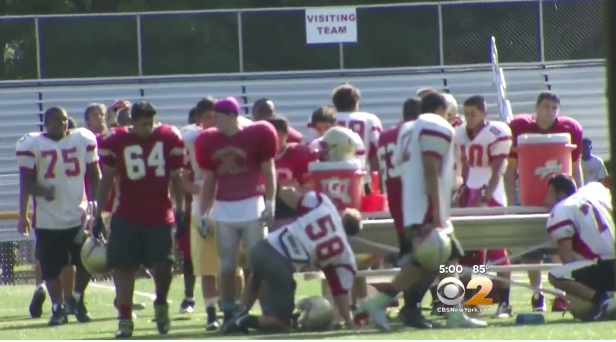
Turf injuries occur once the body rubs contrary to the astroturf throughout a dive, slide, or tumble. Because of the rubbing, abrasions may develop into full-blown cuts. Bacteria may contaminate these wounds, infiltrate the body, and cause a sickness. Athletes will get infections due to the increased frequency with that they enter into touch with other athletes and the resulting skin abrasions.
Raspy sores and little bleeding will be the most typical signs of grass burn. This wound may still blister and cause significant discomfort long after therapy. It is advised to hold back weeks before time for play on astroturf after obtaining a turf burn.
Turf burns have become painful, making it difficult to clean the region properly. It's crucial to wipe the wound using a cleaned hand or towel. After cleaning, you need to rinse the region with water and dry it with a clean towel.
Put Bandages On It
Covering the wound as quickly as possible after cleaning it can benefit avoid infection. A hydrating treatment, such as for example hydrogel, could also be used to the grass burn to speed up the healing process. Effectiveness of hydrogel dressings may be attributed to its ability to increase wound hydration, which in turn accelerates healing and lessens discomfort.
Avoid getting your bare hands near the cut or scrape. The probability of germs getting in and causing an illness are raised. Before cleansing the wound, it is advisable to wash the hands well and, if possible, to use sterile gloves.
Non-adherent wound dressings are preferable for covering the wound. That is essential if you take part in strenuous activity that causes perspiration, because it will enable your skin layer to breathe. If you need to keep carefully the abrasion moist and healthy, you should change the dressing every day.
In only a couple weeks, your turf burn will be totally cured, however in the meanwhile, you need to avoid sports. This will save from aggravating the injury again and slowing your healing process. It's also advisable to inspect the wounded region for outward indications of infection, such as increased redness or pus, at regular intervals. You should see a doctor right away if you have any of the warning signs of an infection.